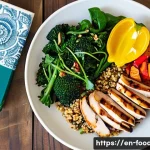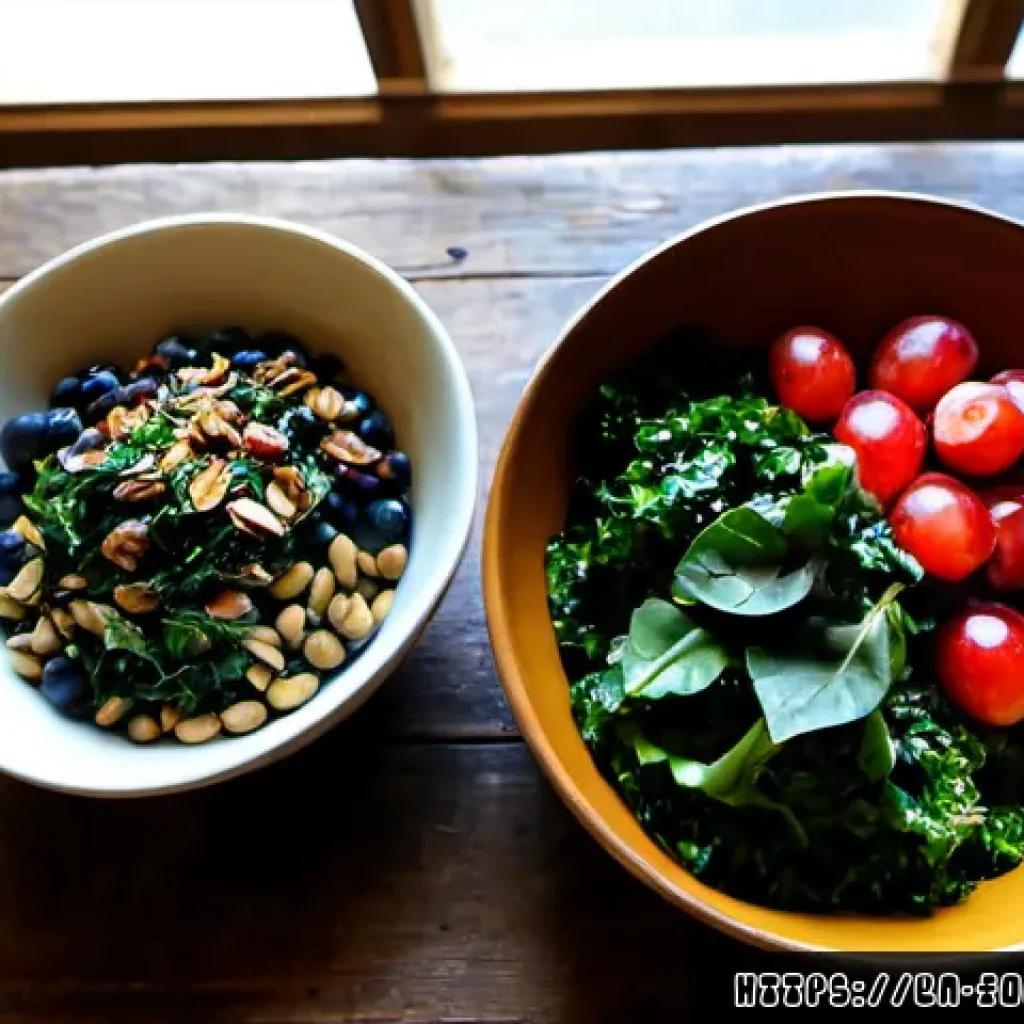
Antioxidant-rich foods can help support the body’s defenses against oxidative stress, especially when they are part of a varied eating pattern. Fruits, vegetables, beans, nuts, seeds, herbs, spices, and whole grains provide antioxidant-related nutrients and plant compounds together.
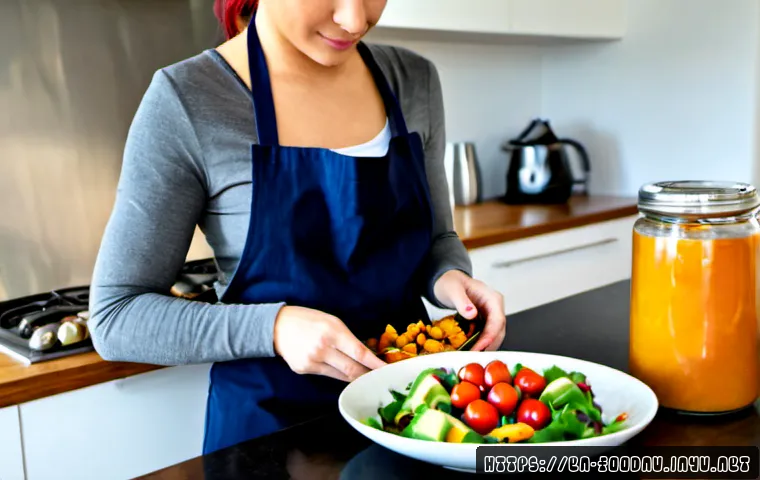
No single food can predict a specific health outcome for every person. Instead, regular variety across meals is a practical approach. Whole foods are generally more useful as a foundation than relying on high-dose antioxidant supplements.
Understanding where these compounds come from can make everyday food choices feel simpler.
What Antioxidants Do in the Body
Oxidation and oxidative stress explained
Antioxidants are substances that can help counteract oxidation in the body. Oxidation is a normal process, but oxidative stress can occur when reactive molecules and the body’s antioxidant defenses are out of balance. Food cannot guarantee a particular result for one individual, since health effects depend on many personal factors. Still, choosing plant foods regularly is one way to provide the body with antioxidant-related compounds.
Why food sources contain more than one helpful compound
Plant foods often contain a mix of nutrients and phytochemicals rather than just one antioxidant. These may include vitamins C and E, carotenoids, and polyphenols. That mix is one reason a varied food pattern matters more than trying to identify a single “best” antioxidant food. Different colors, textures, and types of plant foods can contribute different compounds to meals.
Foods That Commonly Provide Antioxidant Compounds
Colorful produce, beans, and whole grains
Fruits and vegetables are familiar sources of antioxidant-related nutrients and phytochemicals. Including produce of different colors can be an easy way to create more variety without making claims about one color being superior. Beans and other legumes also fit well into this pattern, while whole grains can add another plant-based option. A meal with vegetables, beans, and a whole grain brings several food groups together in a straightforward way.
Nuts, seeds, herbs, and beverages
Nuts and seeds can contribute antioxidant compounds alongside other nutrients. Herbs and spices may also add plant compounds while bringing flavor to soups, grain dishes, beans, vegetables, and sauces. Beverages and other foods may contain relevant compounds too, but the overall eating pattern remains more meaningful than focusing on one drink or ingredient. Variety is useful, and portion needs can differ from person to person.
| Food group | Simple ways to include it |
|---|---|
| Fruits and vegetables | Add them to breakfasts, snacks, salads, soups, or main dishes. |
| Beans and whole grains | Use them in bowls, side dishes, salads, or warm meals. |
| Nuts, seeds, herbs, and spices | Use them as toppings, mix-ins, or flavor additions. |
How Antioxidant Foods Fit Into Daily Meals
Simple ways to build variety across meals
A practical goal is to spread plant foods through the day rather than trying to include everything in one meal. Fruit can be paired with breakfast, vegetables can be added to lunch or dinner, and beans or whole grains can form part of a main dish. Nuts or seeds can be used as a topping when they fit the meal. Repeating familiar foods is fine; adding a few different choices over time can broaden the range of compounds in the diet.
Fresh, frozen, canned, and dried options
Fresh food is not the only option. Frozen, canned, and dried fruits or vegetables can help make plant foods easier to keep on hand. The best choice may depend on availability, preferences, preparation time, and individual dietary needs. Reading labels can be useful when choosing packaged options, particularly if a person is trying to manage ingredients for a specific health reason.
Food First and Supplement Considerations
Why more is not always better

High-dose antioxidant supplements may not provide the same effects as eating a varied pattern of whole foods. Foods supply combinations of nutrients and phytochemicals, while a supplement may focus on one or a few compounds. More is not automatically better, and the ideal amount of a particular antioxidant can vary by age, health condition, and other circumstances. It is sensible to avoid treating supplements as a replacement for regular meals built around plant foods.
When to discuss supplements with a healthcare professional
Supplement use may need individual guidance when someone has a medical condition, takes medication, or has a known nutrient deficiency. Whether a supplement is appropriate cannot be determined from a general food list. A healthcare professional can help consider personal health needs and possible interactions. This is especially important before using high-dose products.
Wrapping Up
Antioxidant foods are best understood as part of a balanced pattern, not as a shortcut to a specific health result. Plant foods offer antioxidant-related nutrients and phytochemicals in many forms. Building meals around fruits, vegetables, legumes, nuts, seeds, herbs, spices, and whole grains creates useful variety. Supplements deserve a more cautious, individualized conversation.
Useful Takeaways
Oxidative stress involves an imbalance between reactive molecules and antioxidant defenses.
Whole plant foods can provide vitamins C and E, carotenoids, polyphenols, and other antioxidant-related compounds.
Fresh, frozen, canned, and dried options can all help support a varied diet.
Key Points to Remember
Rather than searching for one standout antioxidant food, aim for regular variety from plant-based food groups. The specific effect of any one food, and the right use of supplements, can depend on the individual.
Frequently Asked Questions
Q1. What are antioxidant foods?
A1. Antioxidant foods are foods that provide substances able to help counteract oxidation in the body. Many plant foods contain antioxidant-related nutrients and phytochemicals, including vitamins C and E, carotenoids, and polyphenols.
Q2. Which foods are high in antioxidants?
A2. Fruits, vegetables, beans, nuts, seeds, herbs, spices, and whole grains can contribute antioxidant compounds. The exact effect of a particular food for an individual person may vary, so a mix of foods is more useful than relying on one item.
Q3. Are antioxidant supplements better than food?
A3. High-dose antioxidant supplements may not have the same effects as a varied pattern of whole foods. If you have a medical condition, take medication, or have a nutrient deficiency, discuss supplements with a healthcare professional.