A gluten-free diet is essential for some people, but it is not automatically a better choice for everyone. If you have possible celiac disease, a wheat allergy, persistent symptoms, or a medically directed restriction, seek appropriate clinical guidance before removing gluten.

For everyday shopping, naturally gluten-free staples may offer better value than relying entirely on specialty replacements. Packaged gluten-free foods, meal kits, and dietitian services can be useful when convenience, cross-contact concerns, or structured planning matter.
The key is to compare evidence, labels, ingredient quality, and per-serving cost rather than following a headline or a product claim.
At a Glance
- Seek medical evaluation before eliminating gluten if you have suspected celiac disease, a possible wheat allergy, or ongoing symptoms that need assessment.
- Specialty gluten-free products may be unnecessary when naturally gluten-free foods fit your needs, budget, and cooking routine.
- Compare labels, ingredients, cross-contact information, and cost per serving before choosing packaged foods, meal services, or nutrition support.
| Approach | Convenience | Label Scrutiny | Typical Cost Level | Best Fit |
|---|---|---|---|---|
| Naturally gluten-free staples | Moderate | Lower, but ingredients still matter | Often lower | Home cooking and flexible meal planning |
| Certified gluten-free packaged foods | High | High | Often higher | Convenience or stricter avoidance needs |
| Gluten-free meal kits or delivery options | High | High | Often higher | People who need planning support and less prep time |
| Dietitian-guided plans | Varies | Personalized review | Service-based cost | Complex symptoms, restrictions, or nutrient concerns |
What Current Evidence Can—and Cannot—Tell You About Avoiding Gluten
Gluten-free diet research can help you ask better questions, but it cannot determine what will work for every individual. A study may describe a group, a dietary pattern, or a short-term outcome; it does not automatically prove that gluten caused a person’s symptoms or that a branded gluten-free product is the best option.
The Difference Between Celiac Disease, Wheat Allergy, and Non-Celiac Symptoms
These situations should not be treated as interchangeable. Celiac disease, wheat allergy, and symptoms that occur without a confirmed diagnosis can require different evaluation and management. If gluten or wheat seems connected to symptoms, avoid self-diagnosing from a food diary, online discussion, or product marketing alone.
Why Symptom Improvement Alone Does Not Prove a Cause
Feeling better after a dietary change can be meaningful, but it does not identify the exact reason for improvement. A person may also have changed meal timing, fiber intake, portion size, processed-food intake, or other ingredients. Use symptom changes as a reason to investigate carefully, not as proof of a diagnosis.
Questions to Ask When Reading a Nutrition Study
Check who was studied, what was actually compared, how outcomes were measured, and whether the finding applies to your situation. Ask whether the study concerns diagnosed disease, general wellness, or a specific food product. Be cautious when a headline turns limited research into a broad promise about weight, energy, digestion, or overall health.
Compare Gluten-Free Approaches by Need, Convenience, and Food Budget
A gluten-free grocery strategy does not need to begin with replacement bread, snacks, or desserts. Start with the level of support you actually need, then decide where convenience is worth paying for.
Naturally Gluten-Free Staples Versus Specialty Substitute Products
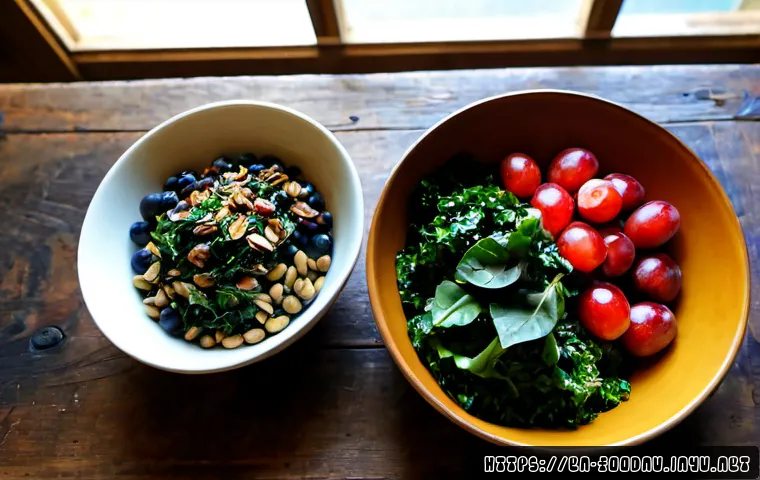
Foods such as produce, beans, eggs, meat, fish, dairy where appropriate, nuts, seeds, and many basic grains can form the base of a gluten-free eating pattern. Specialty substitutes may make familiar meals easier, but they are not automatically more nutritious or better value. Compare the ingredient list, fiber content, and serving size before treating a replacement product as a daily staple.
Label Claims, Certification, and Cross-Contact Considerations
A gluten-free claim is one part of a purchasing decision, not the entire decision. People with medically directed restrictions may need to pay closer attention to label details and possible cross-contact concerns. For any packaged item, review the full label rather than assuming that a naturally gluten-free ingredient guarantees that the prepared product meets your needs.
When Meal Planning, Delivery Services, or Dietitian Support May Add Value
Meal-planning tools and gluten-free meal delivery services can be helpful when shopping, cooking, or organizing meals is difficult. A dietitian service may be worth considering when several restrictions overlap, nutrient gaps are a concern, or you need practical guidance for eating at home and away from home. Before choosing a service, check how it handles ingredients, substitutions, allergen information, and per-serving cost.
Build a Research-Informed Eating Pattern Without Common Nutrient Gaps
Removing gluten changes more than a bread choice. A balanced approach focuses on the overall pattern of eating rather than simply swapping every conventional food for a gluten-free version.
Prioritize Fiber, Iron, B Vitamins, and Overall Food Quality
Review whether your meals still include varied sources of fiber, iron, and B vitamins. The goal is not to chase a perfect label. It is to avoid narrowing your diet so much that convenience foods replace a varied meal pattern. If you have a medical condition, medications, allergies, or a restricted intake, individual advice may be important.
Create Balanced Swaps Instead of Relying on Highly Processed Replacements
A balanced swap considers the whole meal. Instead of building every meal around a packaged substitute, pair naturally gluten-free staples with protein, vegetables or fruit, and a satisfying carbohydrate source. This approach can make grocery comparison simpler and may reduce dependence on premium convenience items.
Track Changes Without Drawing Premature Conclusions
If you are making a dietary change with appropriate guidance, keep notes that are simple and useful: meals, symptoms, timing, and any major routine changes. Do not treat a few good or difficult days as a final answer. Bring useful observations to a qualified healthcare professional when evaluation is needed.
Common Mistakes When Interpreting Studies and Shopping for Gluten-Free Food
Confusing “Gluten-Free” With Automatically Healthier

Gluten-free describes the absence of gluten; it does not independently describe nutrient quality, portion size, or whether a product suits your goals. Compare products on ingredients and nutrition details, not just the front-of-package claim.
Removing Gluten Before Appropriate Testing or Clinical Advice
If celiac disease or another gluten-related condition is a possibility, speak with a healthcare professional before making major dietary changes. Removing gluten first may complicate the evaluation process. This is especially important when symptoms are persistent, severe, or affecting daily life.
Paying More for Convenience Without Comparing Serving Size and Ingredients
Specialty gluten-free groceries can be convenient, but convenience has a cost. Compare price per serving, package size, ingredient quality, and how often you will realistically use the item. A product that looks affordable on the shelf may be less useful if the serving size does not fit your household.
Which Path Fits Your Situation?
If You Have Diagnosed Celiac Disease or a Medically Directed Restriction
Follow the guidance provided for your condition and prioritize reliable label review and cross-contact awareness. Convenience products and structured meal services may be useful if they clearly explain their ingredient and handling practices.
If You Have Symptoms but No Confirmed Diagnosis
Do not assume that gluten is the cause. Consider professional evaluation before starting a strict elimination plan. A dietitian or healthcare professional can help you organize questions, food records, and next steps without turning uncertainty into a permanent restriction.
If Your Goal Is General Wellness, Cooking Convenience, or Household Preference
You can choose gluten-free foods as a preference, but there is no need to make every purchase a specialty purchase. Start with ordinary foods your household already enjoys, then add packaged replacements only where they solve a real convenience problem.
Selection Criteria and Comparison Summary
Before buying specialty replacements, meal kits, or a dietitian-guided program, use this short checklist:
- Does the option match a medical need, household preference, or convenience goal?
- Have you compared the full label, including ingredients and relevant handling information?
- Does it support a varied eating pattern with attention to fiber, iron, and B vitamins?
- Is the per-serving cost reasonable for how often you will use it?
- Would naturally gluten-free staples meet the same need with less processing or expense?
Compare labels, ingredient quality, and per-serving cost before choosing specialty replacements. For meal delivery or dietitian support, review the official service details to see how dietary restrictions, substitutions, and ongoing guidance are handled.
Closing Thoughts
Gluten-free diet research is most useful when it helps you make a calmer, more specific decision. The right approach depends on whether you have a diagnosed condition, unresolved symptoms, or a simple food preference. Start with the least complicated option that meets your needs, and add specialty products or professional support only when they provide clear value.
Useful Information to Keep in Mind
First: a gluten-free label does not automatically mean better nutrition. Second: naturally gluten-free foods may reduce the need for costly replacements. Third: persistent symptoms deserve appropriate evaluation rather than trial-and-error shopping alone.
Important Notes
This is a general guide, not a diagnosis or individualized nutrition plan. Personal dietary needs, medication interactions, allergies, diagnoses, and tolerance can differ. Confirm decisions about suspected celiac disease, wheat allergy, or significant dietary restriction with an appropriately qualified healthcare professional.
Frequently Asked Questions
Q1. Is a gluten-free diet healthier for people without celiac disease?
A1. It is not automatically healthier. Overall food quality, dietary variety, and individual needs matter more than the gluten-free label alone. For people without a diagnosed gluten-related condition, whether it improves health or symptoms requires individual assessment.
Q2. Why do gluten-free grocery products often cost more, and are they worth buying?
A2. Specialty products can involve added convenience and more specific labeling considerations, but value depends on the product and your needs. Compare ingredients, serving size, label details, and price per serving. Naturally gluten-free staples may be a more practical choice for many meals.
Q3. Should I stop eating gluten before speaking with a healthcare professional about possible celiac disease?
A3. If celiac disease is a concern, it is sensible to speak with a healthcare professional before making a major change. Eliminating gluten before appropriate evaluation may complicate the assessment process.